
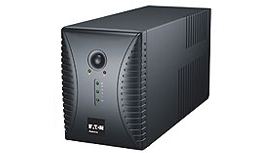
Running a business in India comes with its own set of power headaches. Voltage swings, random power cuts, unpredictable surges — they all hit when you least expect them. And let’s be real: whether you’re running servers, manufacturing machines, or just your office computers, you can’t afford to lose power, even for a minute. It’s not just about keeping the lights on — it’s about protecting your systems, your data, and your bottom line.
That’s where a Line-Interactive UPS comes in.
What’s a Line-Interactive UPS, Anyway?
At its core, a Line-Interactive UPS is a backup power system that doesn’t just kick in when the power goes out — it’s always watching, always regulating. Unlike those basic UPS boxes that only help when the power’s already gone, this one keeps your voltage steady, even when the grid gets shaky. Its built-in voltage regulator smooths out dips and spikes without switching to battery mode, so you get more life out of your batteries and your equipment stays safe.
In plain English: it’s a smart, affordable way to keep your business running, no matter how wild India’s power situation gets.
Why Indian Businesses Struggle with Power
If you’ve worked in India, you know how unpredictable the power supply can be. Even in big cities, you deal with:
- Voltage swings from an unstable grid
- Blackouts and brownouts during peak hours
- Sudden surges when the power comes back
- Weird electrical “noise” that can mess with sensitive electronics
The fallout? Lost data, fried hardware, downtime that costs you money, and the stress of constant repairs. For small and mid-sized businesses, even a short outage can mean lost sales or hours of wasted work.
How a Line-Interactive UPS Steps Up
Here’s what you actually get with a line-interactive UPS:
- Automatic Voltage Regulation – It keeps your voltage in check, so minor fluctuations don’t eat into your battery or your gear.
- Instant Backup – The moment the power drops, the UPS flips to battery in milliseconds. No drama, no lost work.
- Protection for Sensitive Stuff – It shields servers, point-of-sale machines, medical gear, or factory controls from surges and brownouts.
- Longer Battery Life – Since it only uses the battery when it has to, you’re not burning through replacements as fast.
- Lower Costs – Fewer crashes, less hardware failure, and no data loss means you’re not throwing money at repairs or downtime.
Who Really Needs One?
Honestly, if you run any kind of business that can’t afford random shutdowns, a line-interactive UPS just makes sense. Think about:
- Offices and IT departments — Keeps your networks and computers online, even during sudden outages.
- Factories — Protects automated machines and control systems that hate power swings.
- Retail shops — Lets your billing and POS systems keep working, even if the grid goes down.
- Clinics and healthcare — Keeps critical medical equipment running smoothly.
- Home offices — No more dropped video calls or lost files when you’re working from home.
- It’s the sweet spot — more protection than a cheap UPS, but not as over-the-top (or expensive) as a full online system.
Quick Benefits Breakdown
- Automatic voltage control — No more wear and tear from voltage dips.
- Super-fast switch to battery — Your systems don’t miss a beat.
- Energy efficient — Doesn’t waste power when all’s well.
- Compact, easy to install — Fits just about anywhere.
- Long battery life — Less hassle, fewer replacements.
- Investing in Peace of Mind
Think of a line-interactive UPS like an insurance policy for your electronics. It’s way cheaper than replacing fried gear or losing hours of work. If you keep it maintained and swap the battery when you need to, it’ll just keep working for years.
How to Pick the Right One
Before you buy, check:
- How much stuff you need to protect (the VA/W rating)
- How long you need backup power to last
- If you need a pure sine wave output (really important for sensitive tech)
- What kind of warranty and support you get
- Whether you’ll need to expand in the future
Work with a supplier who knows their stuff — they’ll help you size it right, set it up, and keep it running so you get the most out of your investment. And in a place where the power can drop anytime, that’s one less thing to worry about.